
(This article was first published on the SEGi University & Colleges Website on 28th January 2026.)
The implementation of a diagnostic test aimed to assess the readiness of six-year-olds for primary school enrolment, which includes their skill level and ability to cope in a classroom, looked effective on the surface, but hid numerous consequences. This is reflected during a recent Parliament meeting, when Prime Minister Anwar Ibrahim announced the about-turn a week after it was proposed, expressing that the proposal was discriminatory as failure to pass the test may inflict psychological consequences on children, subsequently affecting their learning journey.
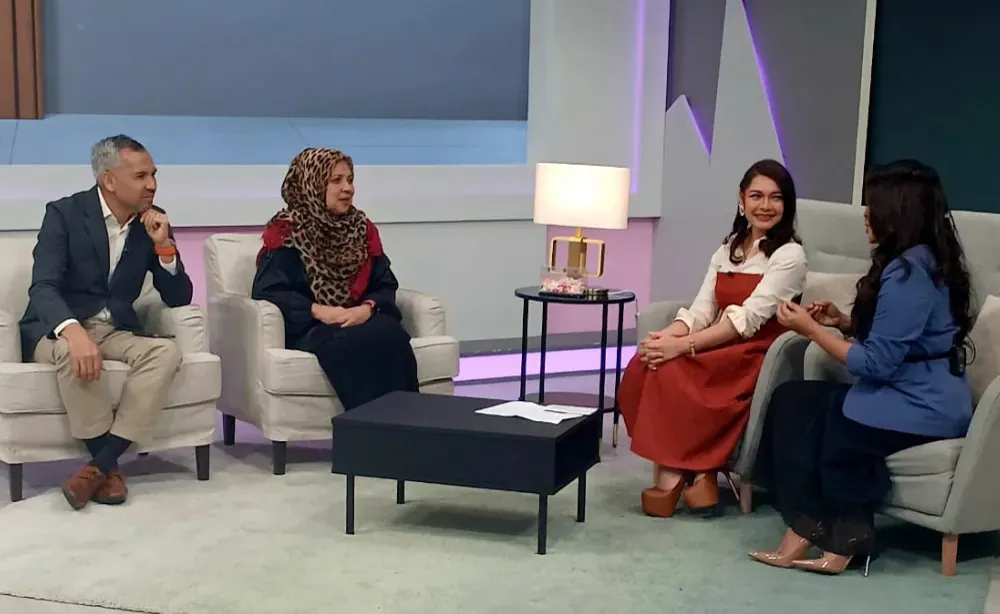
Datin Prof. Dr. Mariani Md Nor, Dean of the Faculty of Education, Languages, Psychology and Music and Acting Vice Chancellor of SEGi University, shared her thoughts in a live discussion on schooling at an early age on TV3’s Wanita Hari ini.
The discussion emphasised that early entry into formal education should be guided by children’s overall readiness rather than age or academic ability alone. Early learning occurs in both formal settings such as schools and preschools, as well as informal environments at home through daily interactions and play. Healthy brain development is supported by adequate nutrition, a nurturing environment, and meaningful stimulation that contributes to children’s cognitive, social, emotional, and physical growth.
Concerns regarding whether entering Primary One at an earlier age places pressure on children were addressed from a developmental perspective. It was highlighted that early schooling does not negatively affect children when proper preparation is in place.
Such preparation includes emotional readiness, physical activity, age-appropriate learning experiences, and strong parental support. Emotional regulation was identified as a key foundation before children progress to higher levels of education,not to create fear, but to ensure children can manage stress, adapt to routines, and learn with confidence. At the same time, teachers must be prepared to recognise and respond to children’s emotional and developmental needs.
The discussion also underscored the importance of balanced parenting and high-quality early childhood education. Overprotective parenting may limit children’s independence and resilience, while supportive and balanced guidance helps children develop confidence and problem-solving skills.
With many parents balancing work commitments, childcare centres and preschools play a vital role in providing safe, high-quality environments, fun-based and active learning experiences, appropriate teacher–child ratios, and trained educators. Ultimately, a balanced and collaborative approach among parents, educators, and institutions is essential to nurturing healthy, resilient, and well-prepared learners.